
- Home/
- Buy Ivermectin in Online Pharmacy | Fast Shipping to United States
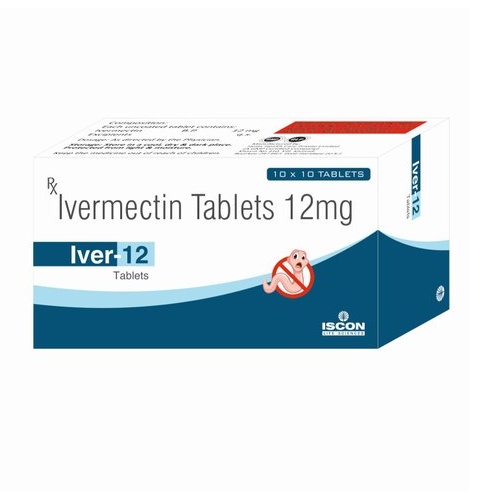
Ivermectin is a prescription antiparasitic medication used in the United States to treat certain proven parasitic infections—including strongyloidiasis and onchocerciasis—and sometimes off-label for scabies or lice. The essential thing to know before taking Ivermectin: it only works for specific parasites, and its safety profile demands precise dosing and careful consideration of your medical history. Don’t start or source it without a physician’s guidance—a misstep here can have real consequences.
When Ivermectin Makes Sense in the United States—and When It Doesn’t
The story usually starts with an unexpected diagnosis: a positive stool test for Strongyloides, a skin scraping showing scabies mites, or a travel exposure where the risk of river blindness is real. The relief that there’s a treatment is quickly replaced by a different concern: is Ivermectin right for me, or is there something safer—or easier?
In the United States, Ivermectin is reserved for proven or strongly suspected parasitic infections. For intestinal strongyloidiasis and onchocerciasis (river blindness), it’s the standard of care. For scabies and lice, it’s used when topical treatments fail or in outbreak settings. Using Ivermectin for any other purpose (including as a “preventive” or for viral infections) is not supported by strong evidence, and can expose patients to unnecessary risk.
Ivermectin is not an all-purpose antiparasitic. It’s a precision tool—remarkably effective in the right setting, unnecessary or even risky in the wrong one. The right diagnosis comes first.
Many patients misunderstand the narrowness of Ivermectin’s indications. This isn’t a medicine to take “just in case” or on the advice of non-medical sources. In the United States, a prescription means a physician has carefully weighed the risks and benefits for your specific situation. Self-medicating or importing Ivermectin bypasses this safety net and can lead to missed diagnoses, side effects, or worse.
What Sets Ivermectin Apart from Other Antiparasitics?
- Broad spectrum, but not universal: Ivermectin is effective against a unique subset of parasites—especially those that live in the skin and tissues, like Strongyloides and Onchocerca. Many other antiparasitics (such as albendazole or mebendazole) target gut-only worms.
- Single-dose convenience: Unlike some antiparasitics that require days or weeks of pills, Ivermectin is often given as a single dose, sometimes repeated. This matters for adherence and side effects.
- Safety profile: Ivermectin generally causes fewer gastrointestinal side effects than some alternatives, but can cause reactions related to the death of parasites (e.g., itching, swelling).
- Not for everyone: Some conditions—like heavy Loa loa infection—make Ivermectin dangerous. In such cases, alternatives or specialist care are needed.
The practical upshot: while Ivermectin can be both powerful and convenient, its use depends on the specific parasite you’re dealing with, your health status, and—often overlooked—your risk of severe adverse reactions based on geography or medical history. Doctors weigh these factors carefully. If there’s a safer or more effective option for your type of infection, guidelines will point to it.
- Antiparasitic
- A class of medications designed to treat infections caused by parasites—organisms that live in or on a host. Each drug works differently: some kill, some paralyze, some prevent reproduction. No single antiparasitic kills all parasites.
Patients in the United States may encounter Ivermectin as the “go-to” for certain infestations, but for many others—hookworm, roundworm, tapeworm—different treatments take the lead. Understanding where Ivermectin fits is the foundation for safe and effective therapy.
Ivermectin in Practice: How It Works and What to Expect
The effect isn’t always obvious—or immediate. Ivermectin works by paralyzing and killing certain parasites, disrupting their nerve and muscle function. For some conditions, like scabies, itching may even worsen temporarily as mites die off. For intestinal parasites, stool tests may remain positive for a few days after treatment begins.
The majority of patients treated for strongyloidiasis in the U.S. clear the infection with just one or two doses of Ivermectin—but only if taken exactly as prescribed.
Here’s what a typical treatment experience looks like:
- Diagnosis confirmed through lab tests or visualization (e.g., skin scrapings for scabies).
- Weight-based dosing prescribed, typically a single tablet per 15 kg (33 lbs) of body weight, rounded to the nearest whole tablet.
- Take on an empty stomach to increase absorption—this can make a real difference in effectiveness.
- Watch for reactions within the first 24-48 hours—these may be due to the dying parasites, not the drug itself.
- Follow-up as advised: Re-testing or a repeat dose may be recommended, especially for strongyloidiasis or scabies.
If you’re treating scabies or lice, everyone who lives with you may need to be treated—otherwise, reinfestation is likely.
The experience is shaped by what you’re treating, how quickly you start, and how closely you follow instructions. Your doctor will explain what “success” should look like for your specific infection. Don’t be surprised if you don’t feel instantly better: with Ivermectin, the body needs a little time to catch up with the medication’s effects.
Real-World Comparison: Ivermectin and Its Alternatives
| Attribute | Ivermectin | Albendazole | Permethrin (topical) |
|---|---|---|---|
| Primary Indications | Strongyloidiasis, onchocerciasis, scabies (off-label), lice (off-label) | Hookworm, roundworm, pinworm, neurocysticercosis, hydatid disease | Scabies, lice (first-line topical agent) |
| Mechanism | Paralyzes parasites via chloride channel effect | Inhibits parasite microtubule formation | Paralyzes ectoparasites on skin contact |
| Typical Dosage | Single oral dose, weight-based | 1–3 days, sometimes longer | Applied to skin, left on 8–14 hours |
| Onset of Action | Within days | Within days | Within 24–48 hours |
| Common Side Effects | Dizziness, itching, mild rash, reactions from parasite die-off | GI upset, headache, liver enzymes | Skin irritation, burning, stinging |
| Serious Risks | Encephalopathy in certain parasitic infections (rare), severe allergic reactions | Bone marrow suppression (rare), liver toxicity | Severe skin reactions (rare) |
| Prescription Status (USA) | Oral: Prescription only | Prescription only | Prescription; lice products sometimes OTC |
| Cost/Insurance | Typically covered for approved uses; $20-$50 per course | Similar; sometimes cheaper for generics | OTC or prescription; varies ($10–$40/course) |
What does this actually mean for you? If you have scabies, permethrin cream is usually tried first because it stays on the skin where the mites live. If you have strongyloidiasis, Ivermectin is preferred for its efficacy and convenience. Albendazole covers a broader range of gut worms but requires multiple doses and carries a higher risk of liver effects.
The biggest difference is not just in what the drugs kill—but in how they’re used. Ivermectin’s single-dose oral regimen is a game-changer for compliance in some infections, but it’s not a substitute for topical therapy when the problem is on the skin.
Dosage Matters: A Closer Look at How Ivermectin Should Be Taken
One pill does not fit all. The dose of Ivermectin is almost always adjusted based on body weight and the infection being treated. Taking too little can render it ineffective. Taking too much can increase the risk of side effects—especially in patients with liver or kidney problems.
| Indication | Typical Adult Dose | Duration | Notes |
|---|---|---|---|
| Strongyloidiasis | 0.2 mg/kg orally x 1 dose | Single dose; repeat in 2 weeks if needed | Empty stomach; re-test after treatment |
| Onchocerciasis | 0.15 mg/kg orally x 1 dose | Every 6–12 months | Repeat to suppress microfilariae |
| Scabies (off-label) | 0.2 mg/kg orally x 1 dose | Repeat in 7–14 days | Household contacts may require treatment |
| Lice (off-label) | 0.2 mg/kg orally x 1 dose | Repeat in 7 days | Combine with topical agents when possible |
Never adjust your dose without medical supervision. Overdosing on Ivermectin can cause severe neurologic symptoms, especially in young children and people with underlying health conditions.
Unlike many pills, Ivermectin’s effectiveness drops if you take it with food—so timing matters. Always take it on an empty stomach, with a full glass of water. If you miss a dose, don’t double up; call your doctor for guidance.
For special populations—children, the elderly, those with liver or kidney issues—dosing may need to be further individualized. Your physician will factor this into your plan.
Which Side Effects Matter Most with Ivermectin—and When to Act
Mild dizziness. Itching that feels worse before it gets better. A transient rash, or a headache that fades in a day or two. These are the side effects most patients experience—or worry about—when starting Ivermectin. In clinical studies, these symptoms usually resolve on their own.
Less than 2% of patients in U.S. clinical trials experienced side effects severe enough to stop Ivermectin, according to FDA data.
However, a minority of patients are at risk of serious, even life-threatening, adverse events. The risk is highest in those with very high parasite loads, especially Loa loa, or pre-existing neurologic conditions. If you experience confusion, severe dizziness, shortness of breath, swelling of the face or limbs, or vision changes—call your doctor or seek emergency care immediately.
For most patients, the key is knowing the difference between an expected reaction (e.g., mild itching as mites die) and a warning sign that requires action.
| Side Effect | Frequency | When to Contact a Doctor |
|---|---|---|
| Dizziness | Common | If persistent or severe |
| Itching/Rash | Very common (esp. in scabies/onchocerciasis) | If spreading, blistering, or associated with swelling |
| Headache | Common | If accompanied by fever, neck stiffness, or vision changes |
| Swelling (face, limbs) | Uncommon | Immediately—can indicate allergic reaction |
| Confusion, Seizures | Rare | Immediately—seek emergency care |
| Shortness of Breath | Rare | Immediately—can indicate serious allergic or neurologic reaction |
Keep a list of all your symptoms as you start treatment, and share these with your doctor—even if you think they’re minor or unrelated.
Don’t Take Ivermectin If This Fits You: Major Contraindications
- Known allergy to Ivermectin or any ingredient in the formulation
- Children weighing less than 15 kg (33 lbs)
- History of severe adverse reaction to Ivermectin
Relative Contraindications:
- Pregnancy: Ivermectin is generally not recommended during pregnancy in the United States unless the benefit outweighs the risk. Animal studies suggest possible harm; human data are limited.
- Breastfeeding: Small amounts may be excreted in breast milk. Discuss with your physician if you are nursing.
- Severe liver or kidney impairment: Clearance of Ivermectin may be reduced, increasing the risk of toxicity.
- Heavy Loa loa infection (endemic areas of West and Central Africa): Risk of life-threatening encephalopathy. Not typically an issue in the U.S., but critical for travelers or immigrants from endemic regions.
- People taking certain CNS-active drugs: Risk of additive toxicity; always review your full medication list with your doctor.
The bottom line: if any of these situations apply to you, inform your prescriber immediately. Taking Ivermectin in the presence of these factors can turn a safe treatment into a hazardous one. For all other patients, a careful review of your history and current medications is essential before starting therapy.
FAQ: Ivermectin Answers Patients Can’t Find Elsewhere
- Can Ivermectin cure all types of worms?
- No. Ivermectin is effective against certain parasites like Strongyloides and Onchocerca, but not others such as tapeworms or whipworms. Your provider will select the medication that matches your infection.
- Is it safe to use leftover Ivermectin from a previous prescription?
- Never use leftover Ivermectin without consulting a physician. The dose and indication may not be the same, and unsupervised use can be dangerous or ineffective.
- What happens if I take Ivermectin with food?
- Food reduces the drug’s absorption, potentially lowering its effectiveness. Always take Ivermectin on an empty stomach unless your doctor instructs otherwise.
- Why do I feel worse after the first dose?
- This often isn’t a drug reaction, but the body’s response to dying parasites—sometimes called a “Mazzotti reaction.” Symptoms may include fever, rash, or joint aches. Most cases are mild and resolve, but contact your doctor if you’re worried.
- Can Ivermectin be used to prevent infection if I’ve been exposed?
- Ivermectin is not approved or recommended for prophylactic use in most settings in the United States. There are rare exceptions, but these are determined by a physician on a case-by-case basis.
- What should I do if I miss a dose?
- Don’t double up. Call your doctor for advice; the timing of doses is important for effectiveness and safety.
- How can I be sure my Ivermectin prescription is legitimate?
- Only fill prescriptions at licensed U.S. pharmacies. Avoid internet sources that do not require a prescription; these products are often unsafe or counterfeit.
- What is the difference between human and veterinary Ivermectin?
- Veterinary Ivermectin is formulated and dosed for animals, not people. Human use of veterinary products is unsafe and not recommended—doses, purity, and formulation can differ significantly.
- How quickly should I expect to see improvement?
- This depends on the infection. For scabies, itching may persist for up to two weeks. For intestinal parasites, symptoms often improve within days, but follow-up testing is key to confirm cure.
- Can I take Ivermectin if I’m pregnant or breastfeeding?
- Generally not recommended in pregnancy unless benefits outweigh risks. For breastfeeding, discuss with your healthcare provider.
In my experience, most problems with Ivermectin arise not from the drug itself, but from patients using it for the wrong reason or without proper medical supervision. The safest outcomes always come when physician and patient communicate closely about the diagnosis and the plan. If something feels off—symptoms persist, side effects develop—reach out early. It’s never an inconvenience.
References
- U.S. Food and Drug Administration (FDA)
- Centers for Disease Control and Prevention (CDC) – Parasites
- FDA Prescribing Information: Ivermectin (Stromectol), Merck & Co., Revised 2019
- PubMed – Ivermectin Clinical Studies
- Infectious Diseases Society of America (IDSA) Guidelines
- Mayo Clinic – Ivermectin (oral route) Patient Information
- World Health Organization (WHO)
- Guidelines for Treatment of Parasitic Infections, American Society of Tropical Medicine and Hygiene, 2021