
- Home/
- Buy Prednisolone at Low Price in the United States Online
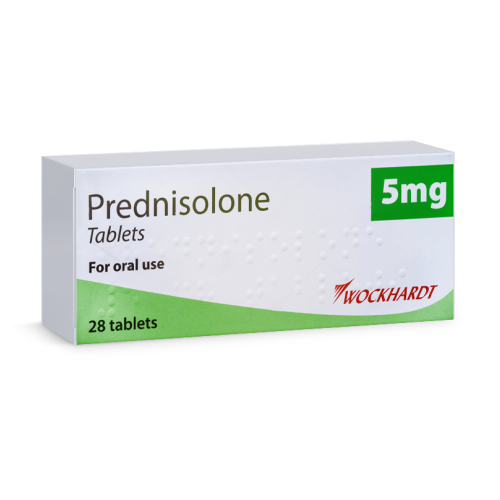
| Product Name | Prednisolone |
|---|---|
| Main Ingredient | Prednisolone |
| Primary Use | Control of inflammatory conditions |
| Strength Variations | 5 mg, 10 mg, 20 mg, 50 mg tablets; also available as oral solution |
| How Quickly It Works | Noticeable improvement usually within several hours to 24 hours |
| Effect Duration | Lasts 12–36 hours depending on dose and individual metabolism |
| Prescription Status | Prescription needed in United States |
| Average Cost Range | $10 – $60 per month (varies by dosage and pharmacy) |
| Well-known Generic Producers | Teva, Mylan, Sandoz, Accord Healthcare |
Prednisolone: Guidance for Inflammation — United States
Prednisolone is a prescription corticosteroid used to reduce inflammation in a variety of medical conditions, including autoimmune diseases, severe allergies, and certain respiratory illnesses. Its availability is regulated by the U.S. Food and Drug Administration (FDA), ensuring both its quality and legal access through healthcare providers in the United States.
Why inflammation happens — and why you are not alone
Inflammation is the body’s natural response to injury or infection, but when it becomes chronic or severe, it can cause pain, swelling, and long-term health problems. According to the Centers for Disease Control and Prevention (CDC), over 54 million adults in the United States were diagnosed with some form of inflammatory or autoimmune disorder in 2021, including conditions like rheumatoid arthritis, lupus, and severe asthma. You’re not alone in seeking relief—managing inflammation is a common and necessary step for millions, and effective treatments are widely used and well-studied.
How Prednisolone controls inflammation: from mechanism to real-life relief
Prednisolone works by mimicking the effects of cortisol, a natural hormone produced by your adrenal glands. When inflammation occurs, your immune system releases substances that cause swelling and tissue damage. Prednisolone intervenes by binding to receptors inside your cells, reducing the production of immune signals called cytokines. This action calms the immune system, decreases swelling, and prevents further tissue injury. Practically, most people experience a reduction in pain, heat, and redness within one day of starting treatment—though the degree and speed depend on the severity of your condition and your individual response.
In short: Prednisolone doesn’t just mask symptoms—it actually suppresses the underlying inflammatory process, which is why doctors select it when rapid and reliable control is critical. However, because it affects the whole immune system, its use is carefully tailored to each patient’s needs and risks.
Who should—and should not—consider Prednisolone? Recognizable scenarios
| Your situation | Is Prednisolone likely suitable? | Why or why not? |
|---|---|---|
| You have a diagnosed autoimmune disease (e.g., lupus, rheumatoid arthritis) and need fast symptom control | Yes | Prednisolone quickly reduces immune-driven inflammation, which can prevent further tissue damage |
| You are experiencing an acute flare of severe asthma or allergic reaction, and other treatments haven’t worked | Often yes | Corticosteroids like Prednisolone are recommended for short-term rescue in these cases |
| You have only mild, seasonal allergies and no other health issues | No | Risks of Prednisolone outweigh benefits in mild cases; safer alternatives like antihistamines are preferred |
| You have poorly controlled diabetes or a history of serious infections | Use with caution | Prednisolone can worsen blood sugar and suppress the immune system, requiring close monitoring or alternative therapies |
This decision table is a starting point—your physician will always weigh your full medical history before recommending Prednisolone.
Taking Prednisolone in real life: practical guidance for use
- Dosing schedule: Usually taken once daily, often in the morning, to mimic your body’s natural hormone cycle.
- With or without food: Best taken with food to reduce stomach upset.
- Missed dose: If you miss a dose, take it as soon as you remember—but skip it if it’s almost time for your next dose. Don’t double up to catch up.
- If symptoms don’t improve: Contact your doctor if you notice no relief within a few days or if symptoms worsen, as you may need a dose adjustment or alternative approach.
- Stopping suddenly: Never stop Prednisolone abruptly after prolonged use (more than a couple weeks). Rapid withdrawal can cause adrenal insufficiency, which is dangerous. Always follow your doctor’s tapering instructions.
- Everyday precautions: Carry a medical alert card if you are on long-term Prednisolone, and inform any healthcare provider about your use in emergencies or before surgery.
These practical points help you incorporate Prednisolone safely into daily life, reducing the risk of avoidable setbacks.
When Prednisolone is not safe: contraindications explained
- Active, uncontrolled infections: Prednisolone lowers immune defenses, so it is avoided in people with untreated infections (such as tuberculosis or fungal infections) because the illness could worsen.
- Uncontrolled diabetes: It can raise blood glucose levels, making diabetes more difficult to manage and increasing risk of complications.
- Systemic fungal infections: Prednisolone may allow these infections to spread more rapidly throughout the body.
- Known allergy to Prednisolone or similar steroids: Immediate hypersensitivity reactions are rare but possible—use is prohibited in confirmed cases.
- Children and pregnant women: Use is only considered when benefits clearly outweigh risks, under close medical supervision.
If you are uncertain whether your medical conditions affect Prednisolone use, consult your prescribing doctor before starting treatment.
Side effects: what’s common, what’s rare, and when to act immediately
- Frequently reported (may resolve during use): Increased appetite, mild mood changes (such as irritability), insomnia, fluid retention, mild elevation in blood pressure, and temporary blood sugar increases.
- Occasional (contact your doctor if persistent): Facial swelling (“moon face”), muscle weakness, blurred vision, slow wound healing, or easy bruising. These may require dose adjustment.
- Rare but serious (seek urgent care): Signs of severe allergic reaction (swelling of face or tongue, difficulty breathing), sudden confusion, vision loss, severe abdominal pain, or signs of infection like persistent fever or chills.
Should you experience any of the urgent symptoms above, contact emergency services immediately at 911, or reach the Poison Help line at 1-800-222-1222 for guidance in the United States.
Interactions: combining Prednisolone with other drugs
Prednisolone can interact with a range of medications and supplements. Common interactions include:
- Nonsteroidal anti-inflammatory drugs (NSAIDs): Taking ibuprofen or aspirin with Prednisolone may increase the risk of stomach ulcers or bleeding.
- Diabetes medications: Prednisolone can raise blood sugar, potentially requiring dose adjustments of insulin or oral hypoglycemics.
- Blood thinners (warfarin): Effects may be intensified or weakened—close monitoring is necessary.
- Vaccines: Live vaccines should generally be avoided during Prednisolone therapy, as immune response can be blunted.
- Anti-seizure drugs (e.g., phenytoin, carbamazepine): These can speed up Prednisolone breakdown, reducing effectiveness.
Always inform your healthcare provider and pharmacist about all medications and supplements you are taking to avoid interactions. Pharmacists in the United States are trained to check for these risks before dispensing Prednisolone.
Comparing Prednisolone and other anti-inflammatory options: benefits and limitations
| Medication | Strengths | Limitations | Best for |
|---|---|---|---|
| Prednisolone | Rapid, broad anti-inflammatory effect; effective in severe or acute flares | Not suitable for long-term use due to side effects; requires prescription and monitoring | Acute flares, severe inflammation, when fast control is essential |
| NSAIDs (e.g., ibuprofen, naproxen) | Widely available, good for mild to moderate pain and inflammation, minimal prescription barriers | May be insufficient for autoimmune or severe cases; risk of stomach irritation and kidney effects | Short-term relief of mild to moderate symptoms |
| Biologics (e.g., adalimumab, etanercept) | Targeted action for specific autoimmune diseases; lower risk of steroid side effects | Expensive, require injections, increased infection risk, insurance approval needed | Long-term control of specific autoimmune conditions when steroids or NSAIDs fail |
Prednisolone is often the first choice for controlling severe inflammation quickly, but for long-term management, your doctor may recommend transitioning to agents with a more favorable safety profile. There is no single “best” anti-inflammatory—choice depends on your diagnosis, risk factors, and treatment goals.
What you will actually pay: full cost breakdown for Prednisolone in United States
| Cost item | Amount | Note |
|---|---|---|
| Doctor consultation (in-person) | $100 – $250 | Varies by provider; may be covered by insurance |
| Telemedicine appointment | $50 – $150 | Some online services may offer lower rates |
| Prescription fee | $0 – $20 | Depends on provider; sometimes included in consultation |
| Prednisolone tablets (30-day supply, generic) | $10 – $60 | Cost varies by dose and pharmacy; insurance copay may lower price |
| Home delivery (optional) | $0 – $15 | Many pharmacies offer free standard shipping; express may cost more |
| Total estimated cost | $60 – $345 | Lower end: telemedicine & generic & standard shipping; upper end: in-person visit & higher dose & express |
In the United States, you will need a valid prescription to purchase Prednisolone at a pharmacy or through a legitimate online provider. Insurance may cover part or all of the cost, especially if you have a diagnosis requiring chronic treatment. Always check that the pharmacy is licensed and FDA-compliant to avoid counterfeit products—legitimate sellers will ask for your prescription and offer pharmacist consultation as needed.
Remaining practical questions: storage, refills, and regulatory context
- How should I store Prednisolone? Store at room temperature, away from heat and direct sunlight. Keep in a secure place out of reach of children.
- Can I get a refill online? Many U.S. pharmacies and telemedicine services allow refills with a valid prescription. If your dose or duration changes, a new prescription may be needed.
- Is Prednisolone FDA-approved? Yes, Prednisolone is FDA-approved for multiple inflammatory conditions, and all U.S. pharmacies must dispense FDA-registered products.
- What if I travel? Carry your medication in the original labeled container and bring your prescription. Some countries have restrictions; check before traveling abroad.
- Is it legal to buy Prednisolone online without a prescription? U.S. law requires a prescription for oral corticosteroids; some online sites may bypass this, but obtaining medication without a prescription is not recommended due to safety and legal risks.
For detailed regulatory and safety information, refer to the FDA or consult your healthcare provider directly. Staying informed and proactive ensures you get the benefits of Prednisolone safely and legally.